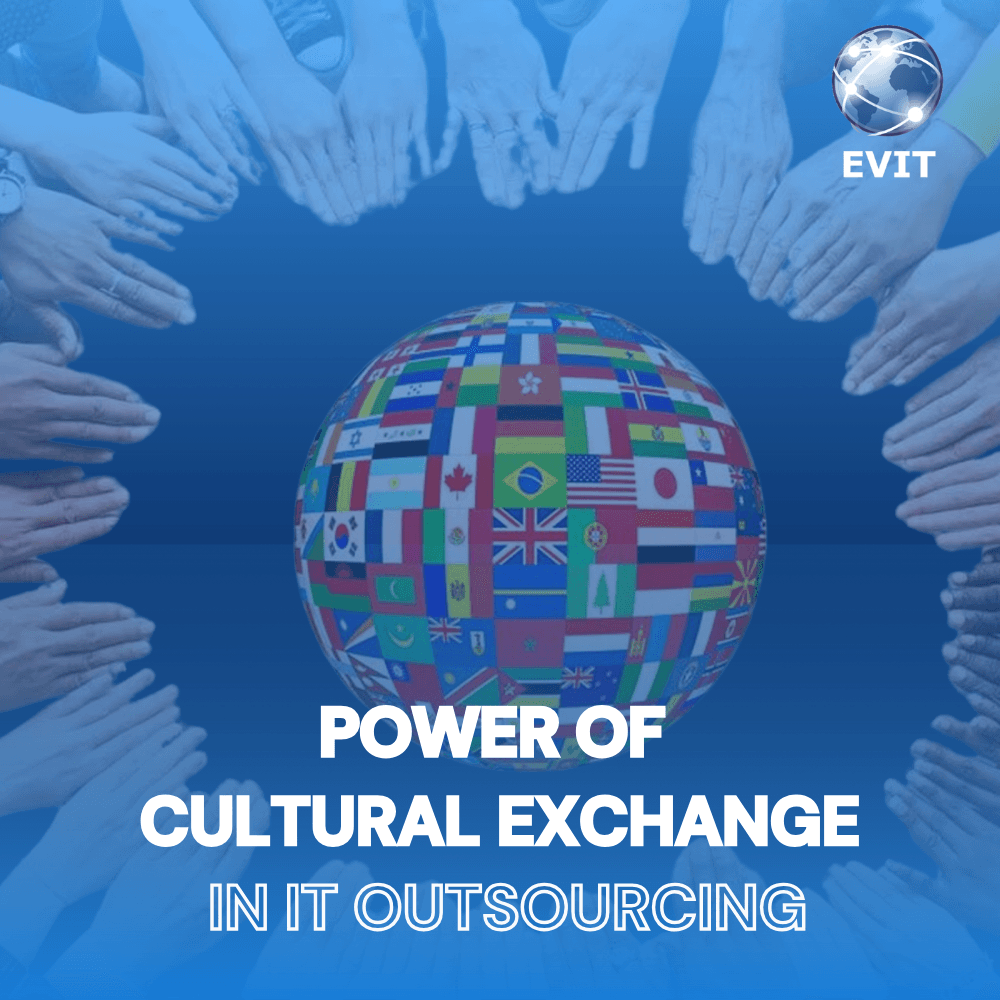
Are you leveraging cultural diversity to drive innovation in your IT projects? Discover how cultural exchange can transform your outsourcing strategy and propel your business to new heights.

Outsourcing IT services is more than just a strategy for cost savings and efficiency; it’s an opportunity to harness the power of cultural exchange. While cultural differences can present challenges, they also offer unique advantages that can enhance creativity, problem-solving, and global competence within your team. Let’s explore the pros and cons of cultural differences in IT outsourcing and how to maximize the benefits through effective cultural exchange.
Pros of Cultural Differences in IT Outsourcing:
-
Diverse Perspectives:
- Different cultural backgrounds bring a variety of viewpoints, fostering creativity and innovation.
- Solutions that might not emerge from a homogenous team can be developed, enhancing your project’s originality and effectiveness.
-
Enhanced Problem-Solving:
- Varied approaches to challenges lead to more comprehensive and robust solutions.
- Teams can tackle problems from multiple angles, reducing blind spots and increasing the quality of outcomes.
-
Global Competence:
- Engaging with international teams builds a globally competent workforce.
- This competence is crucial for businesses aiming to operate and compete in the global marketplace.
Cons of Cultural Differences in IT Outsourcing:
-
Communication Barriers:
- Differences in language and communication styles can lead to misunderstandings and inefficiencies.
- Misinterpretations can delay projects and impact team morale.
-
Differing Work Practices:
- Variations in work ethics, practices, and expectations can create friction.
- Misaligned workflows and work habits may cause integration issues and slow progress.
-
Time Zone Challenges:
- Managing teams across different time zones can complicate scheduling and collaboration.
- Ensuring real-time communication and prompt responses may be challenging.

Awakening the Benefits of Cultural Exchange:
To turn these potential challenges into powerful assets, it’s essential to actively foster a culture of exchange and collaboration. Here’s how:
-
Cultural Sensitivity Training:
- Conduct training sessions to educate teams on cultural norms and communication styles.
- Encourage mutual respect and understanding, laying a foundation for effective collaboration.
-
Establish Clear Communication Channels:
- Utilize collaboration tools that facilitate real-time interaction and transparent communication.
- Set clear guidelines for communication to ensure everyone is aligned and informed.
-
Organize Regular Cross-Cultural Workshops:
- Create opportunities for team members to share their cultural practices and working styles.
- Promote an environment where diverse ideas are celebrated and integrated into the workflow.
By embracing and managing cultural differences, you can unlock new levels of innovation and efficiency in your IT projects.
Ready to transform your IT outsourcing strategy with the power of cultural exchange? Contact us today to learn how our approach to connecting Western companies with Vietnamese IT providers can drive your business forward. Let’s turn cultural differences into your biggest advantage.